
Embracing the Storm: Why “Bad Weather” Makes the Best Nature Photographs
🌦️ When the Forecast Turns “Bad,” My Excitement Rises
There have been countless times I’ve stood beneath a shifting sky — clouds stacking, wind picking up, rain drops hitting my face, a storm brewing — and felt that electric surge of anticipation only nature photographers truly understand. You can sense it in your chest — the pulse of the weather, the earth inhaling before something extraordinary happens.
And yet, in those same moments, I’ve watched others gather their gear and head for cover. While I’m watching the light explode with excitement, they’re calling it quits, complaining — and I’m left wondering how they don’t feel it.
That’s when it hits me every time: attitude and perspective is everything. Two people can stand in the same place, under the same sky, and experience completely different worlds. For some, the rain means retreat. For others, it’s the start of the story.
As photographers evolve and grow in their craft, something shifts inside us. We stop chasing comfort and start chasing character. The more we mature in our craft, the more we crave the unpredictable — because that’s where emotion lives.
Early in our journeys, we often wish for postcard-perfect days and clear blue skies. But as experience deepens, we realize that great weather often makes the worst photos. Blue skies flatten the mood; everything becomes even, easy, and forgettable. The drama, the feeling, the pulse — all live in the edges of storms.
🌪️ Growth, Perspective, and the Photographer’s Mindset
Truthfully, the difference between frustration and fascination in the field often has less to do with skill and more to do with perspective. Some see obstacles. Others see opportunity.
A maturing photographer learns that bad weather isn’t a setback — it’s a teacher. It’s nature’s way of reminding us to let go of control, to adapt, to feel rather than just see. Over time, patience replaces complaint, curiosity replaces comfort, and every gust of wind becomes part of the conversation.
It’s a shift that mirrors life itself. The same mindset that makes you resilient behind the camera also makes you resilient beyond it. To embrace poor weather is to embrace growth — both artistic and personal.
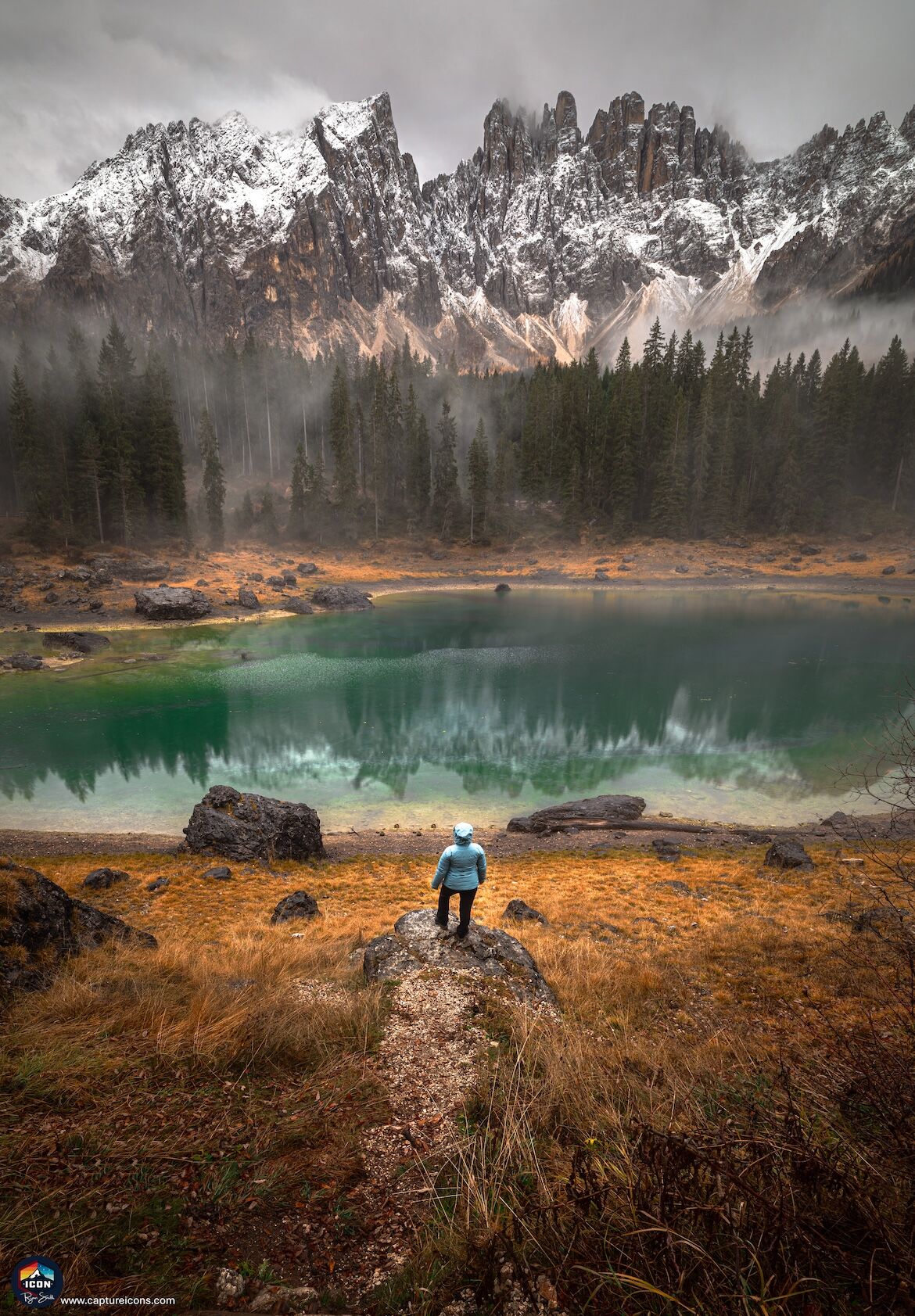
Some of my most powerful photographs — the ones that have resonated deepest with collectors and fellow artists — were created in moments of discomfort: soaked to the bone, shivering in wind, or wiping rain from my lens between frames. Those moments hold energy, authenticity, and soul that calm weather rarely delivers.
At its core, the love of weather is the root of every nature photographer’s journey. It’s not just about chasing light — it’s about forming a relationship with the elements themselves. To love nature photography is to love unpredictability, to welcome discomfort, and to see beauty in what most call “bad conditions.”
When we embrace the storm instead of avoiding it, we don’t just capture weather — we capture emotion, energy, and truth.
💬 10 Inspiring Quotes from the Masters
“Bad weather makes for good photography.” — Ansel Adams
“I’d choose the ‘bad’ weather without hesitation.” — Galen Rowell
“Bad weather equals good photographs.” — David Muench
“I find the dramatic power of ‘bad’ weather captivating.” — Christophe Jacrot
“I love the atmosphere of anticipation, the feeling in the air that events have happened, or will happen soon.” — Michael Kenna
“With a little care you can use the rain to your advantage.” — Art Wolfe
“Weather always throws a spin on a shoot… it’s the one thing I can’t control, and I respect it because of that.” — Chris Burkard
“If I haven’t got wet, then I probably haven’t got a good photo.” — Steve Gosling
“Bad weather equals good photographs. Get outdoors when there’s snow, fog or rain.” — Pete Souza
“There’s no such thing as bad weather, only inappropriate clothing.” — Outdoor adage embraced by photographers
⚡ 7 Reasons Bad Weather Is a Photographer’s Secret Weapon
1️⃣ Drama and Storytelling
Storms, fog, and rain transform predictable landscapes into visual poetry. Moody skies create emotion, tension, and narrative. As Adams said, “Bad weather makes for good photography.” The more nature tests you, the more dramatic the reward.
2️⃣ Soft Light and Natural Diffusion
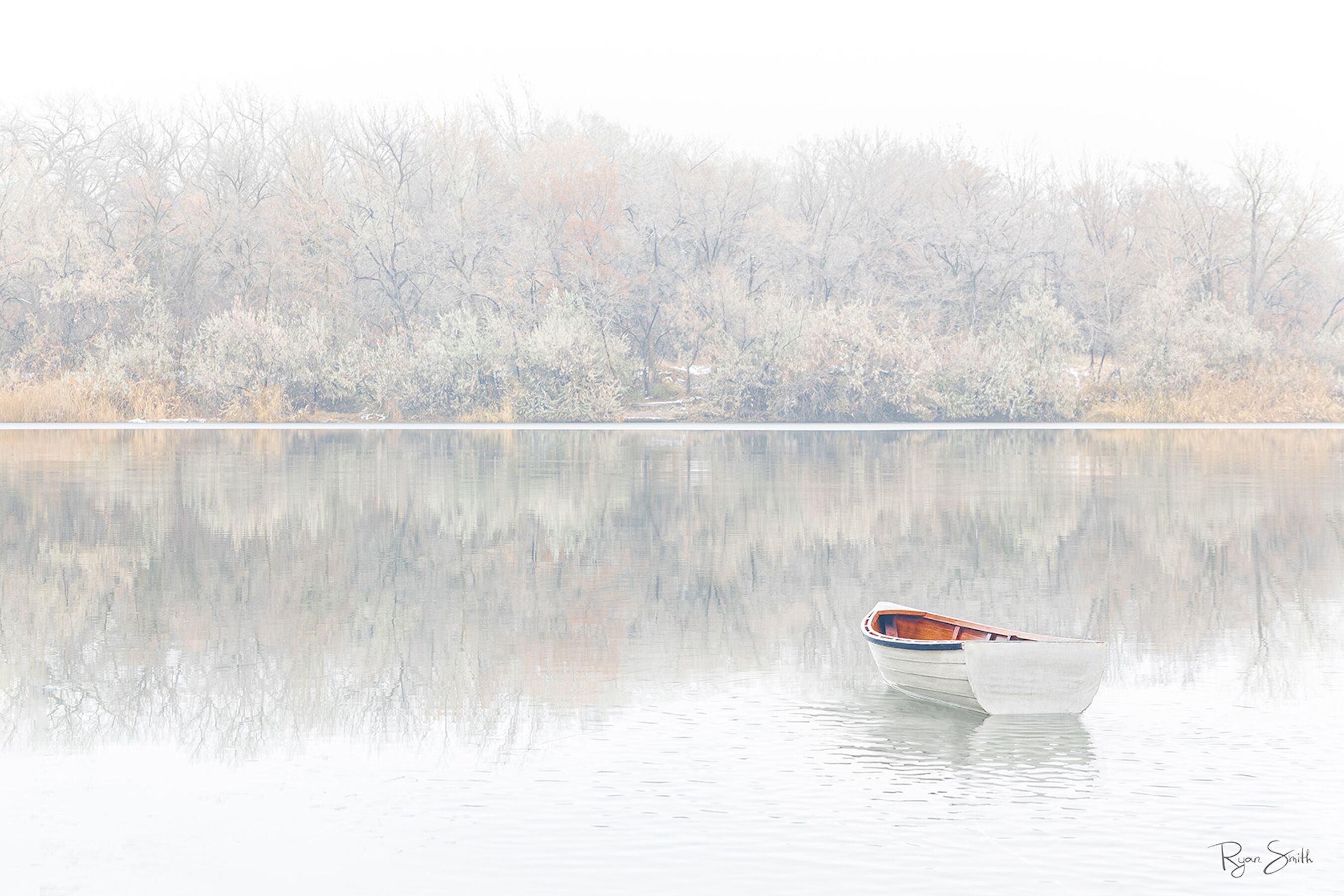
Overcast conditions are nature’s softbox. Shadows disappear, highlights calm down, and every detail finds balance. Perfect for waterfalls, forests, or portraits, rain invites subtlety where harsh sun overwhelms.
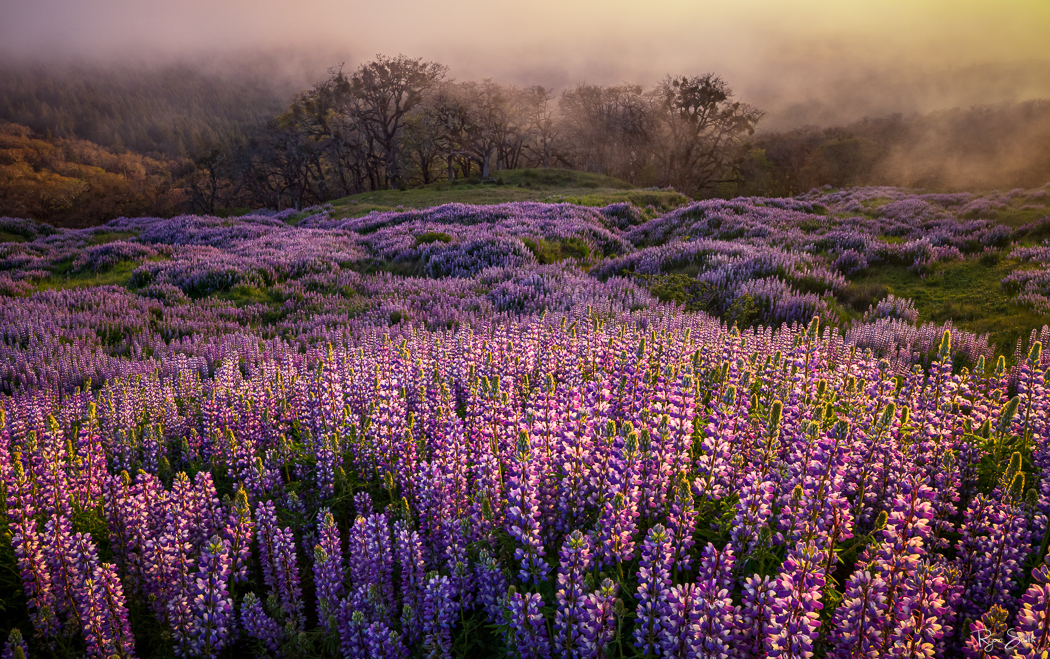
The air still carried the scent of rain as fog drifted over the hills. Moments earlier, this field was hidden in gray, but as the light broke through, it revealed a sea of lupine glowing with color. “After the Rain” reminds me that nature always renews itself — and often, its most peaceful moments come right after the storm. - Ryan Smith
3️⃣ Saturated Color and Texture
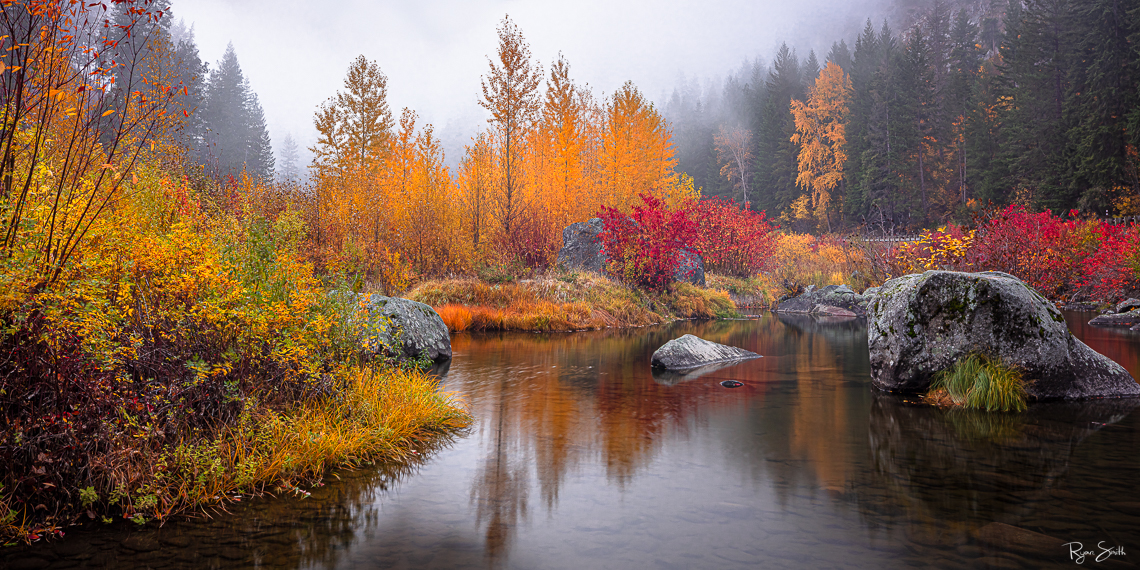
Wet rocks glisten. Forest greens deepen. Reflections shimmer. Rain amplifies saturation and reveals textures invisible in dry light. Art Wolfe reminds us: “With a little care you can use the rain to your advantage.”
4️⃣ Depth and Atmosphere
Fog and low clouds build layers and shape. Light filtering through mist gives dimensionality and mystery. Michael Kenna thrives in this mood: “I love the atmosphere of anticipation, the feeling that events have happened or will happen soon.”
5️⃣ Edge-of-Storm Magic
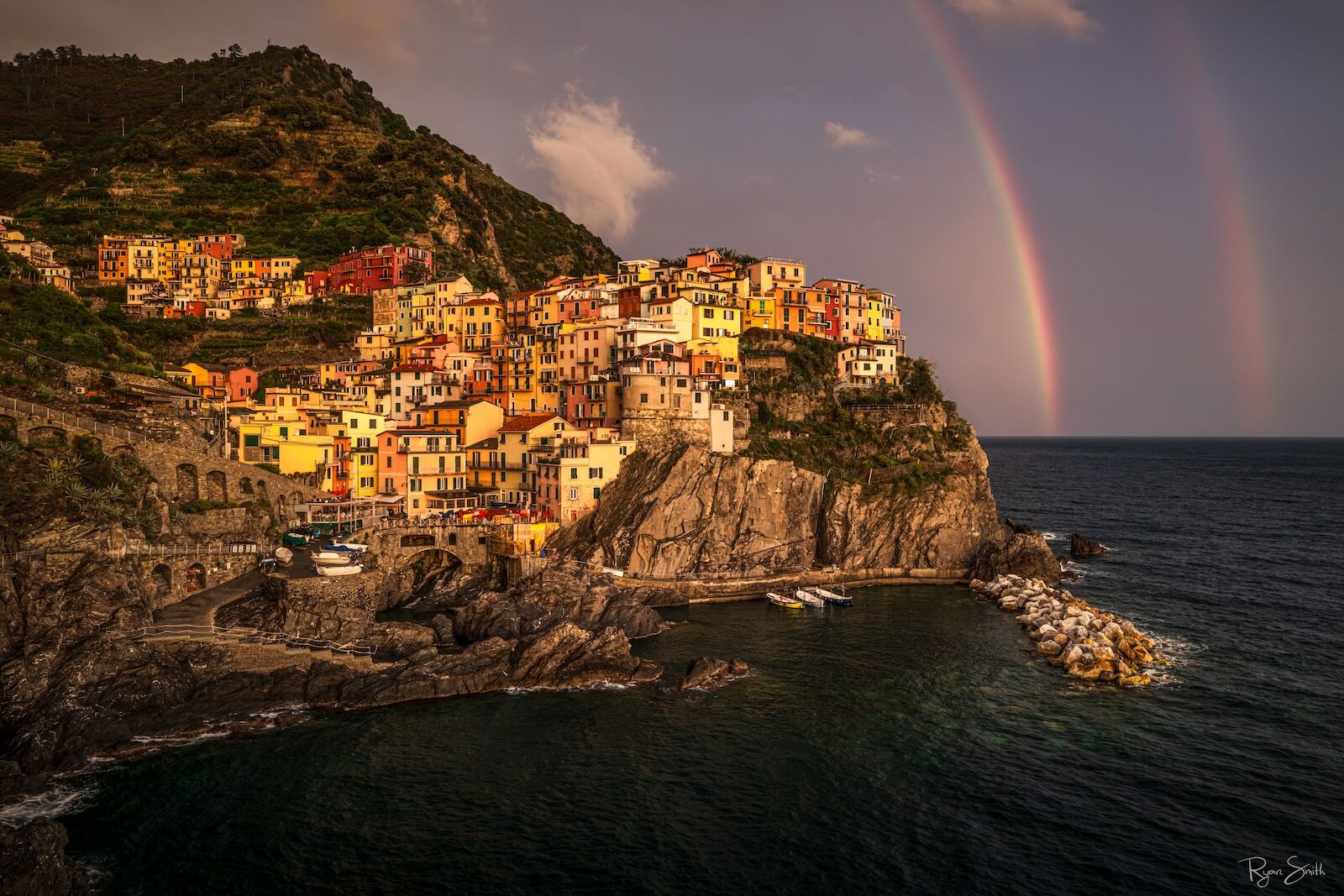
Just after the downpour—or moments before it breaks—the atmosphere explodes with drama: light beams, double rainbows, glowing clouds. Seasoned pros like Galen Rowell planned entire expeditions around these brief transitions, knowing that’s when the sky tells its story.
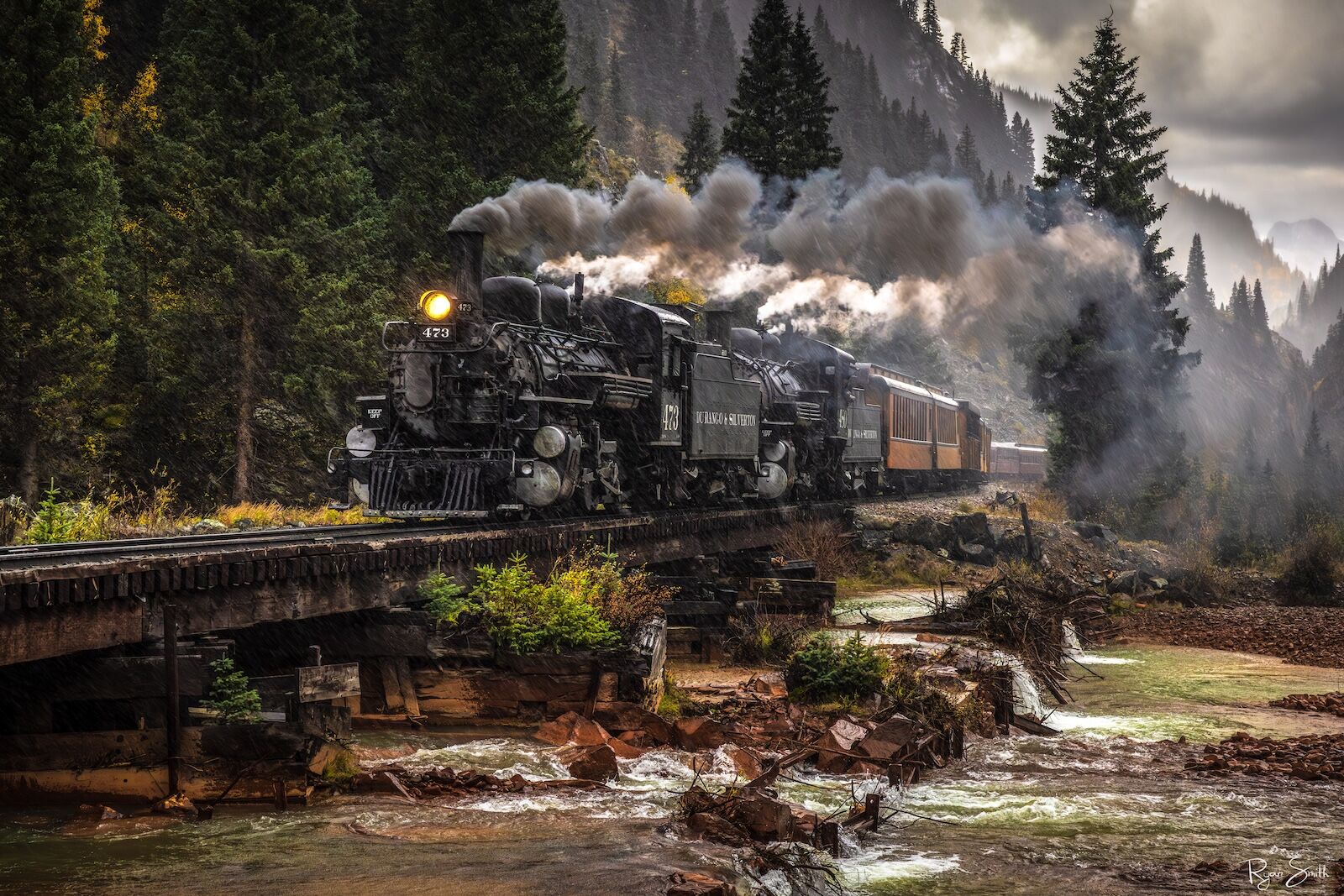
The rain was relentless, but the steam kept rising. As the Silverton train carved its way through the canyon, it reminded me of what bad weather really is — not a barrier, but a test. The best photographers — like this old engine — just keep moving through the storm. - Ryan Smith
6️⃣ Solitude and Originality
When rain starts, crowds vanish. Locations clear out. That’s when your most authentic moments happen. Steve Gosling laughs, “If I haven’t got wet, I probably haven’t got a good photo.” Solitude gives space for originality — and the courage to create something truly yours.
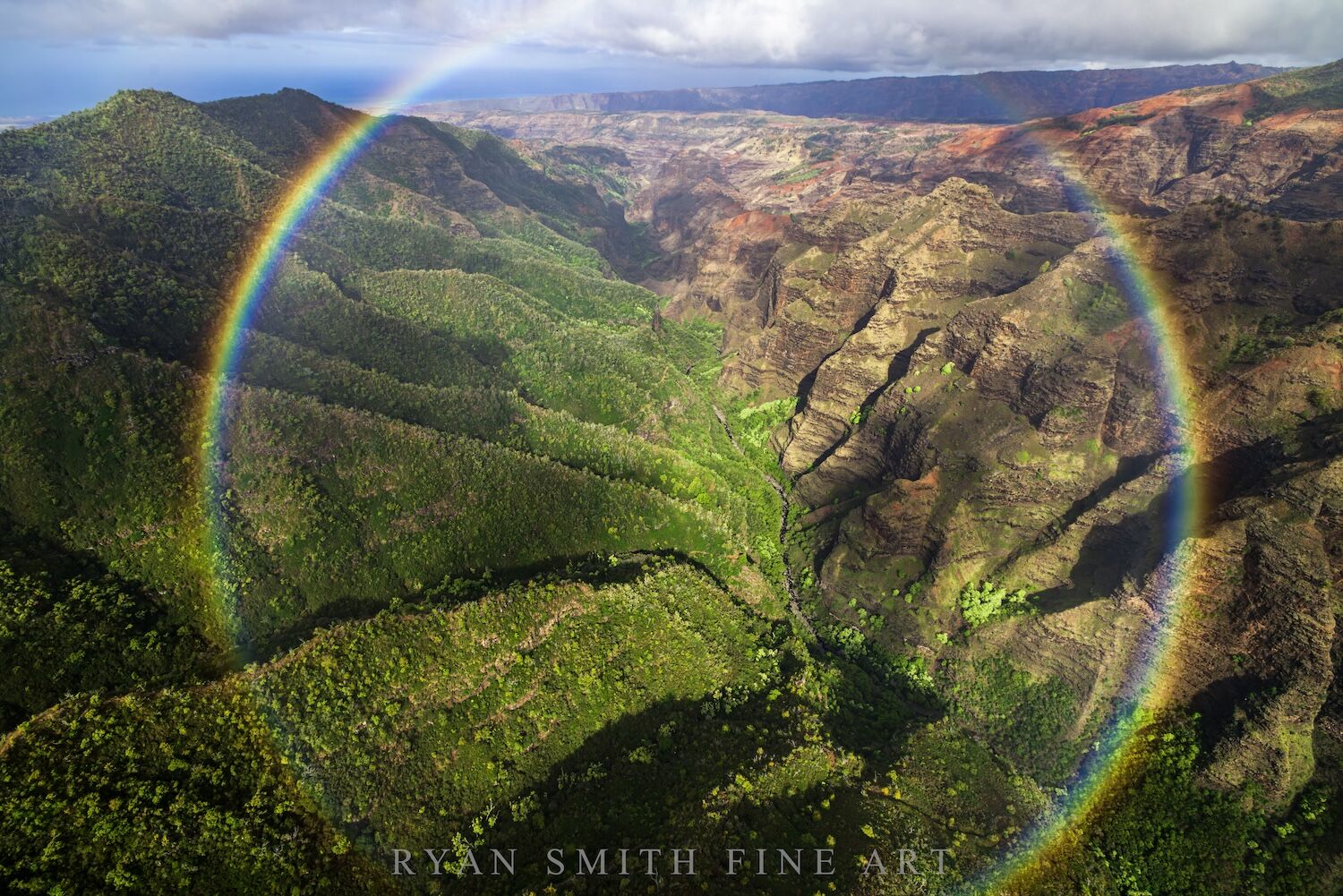
The storm had passed, and the rain gave way to this — a perfect rainbow arcing across the island. Proof that when you embrace the weather, the light that follows feels all the more earned. - Ryan Smith
7️⃣ Mindset and Mastery
Rain teaches patience, resilience, and adaptability — the hallmarks of a mature photographer. Chris Burkard put it best: “Weather always throws a spin on a shoot… it’s the one thing I can’t control, and I respect it because of that.”
Mastery begins when you stop resisting nature and start collaborating with it. The storm becomes not a challenge, but a creative partner.
🌧️ Final Thought: When the Forecast Turns, Head on out and Stay Out there!
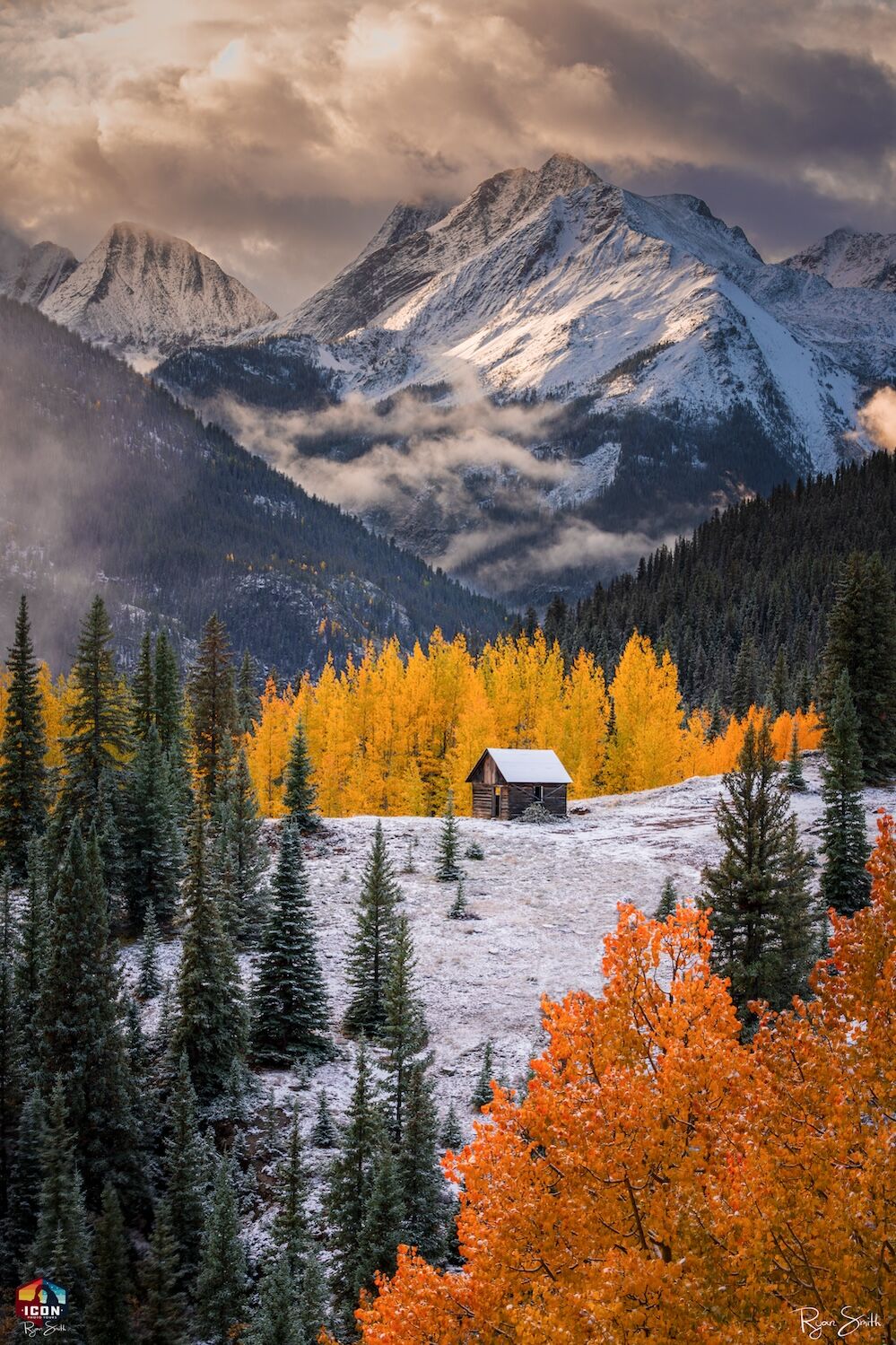
We woke up at 3:45 a.m., driving through falling snow and into the heart of the storm — headlights cutting through fog, sleet tapping the windshield, the mountains completely socked in. We knew visibility would be low, maybe nonexistent. But what if? Those two words are what separate missed moments from masterpieces.
When we arrived in the dark, it felt hopeless. Then, almost impossibly, a small window opened — just long enough for the clouds to lift and the light to pour through. “Summit Solace” became the reward for showing up when the odds said not to — proof that sometimes the storm gives you far more than clear skies ever could. - Ryan Smith
Rain or snow isn’t the end of a photo day — it’s the beginning of your story.
Fog, drizzle, and diffused light can transform familiar places into art.
Some of my all-time favorite photographs — the ones I still feel most proud of — came from being out there when others packed it in.
Bad weather doesn’t test your camera — it tests your mindset.
And that’s where the real growth happens.
The more we learn to welcome those moments, the more we evolve — not just as photographers, but as people.
So next time clouds roll in, pack your rain cover, a microfiber cloth, and an open mind. Because as the pros say, “Bad weather makes for good photography.”
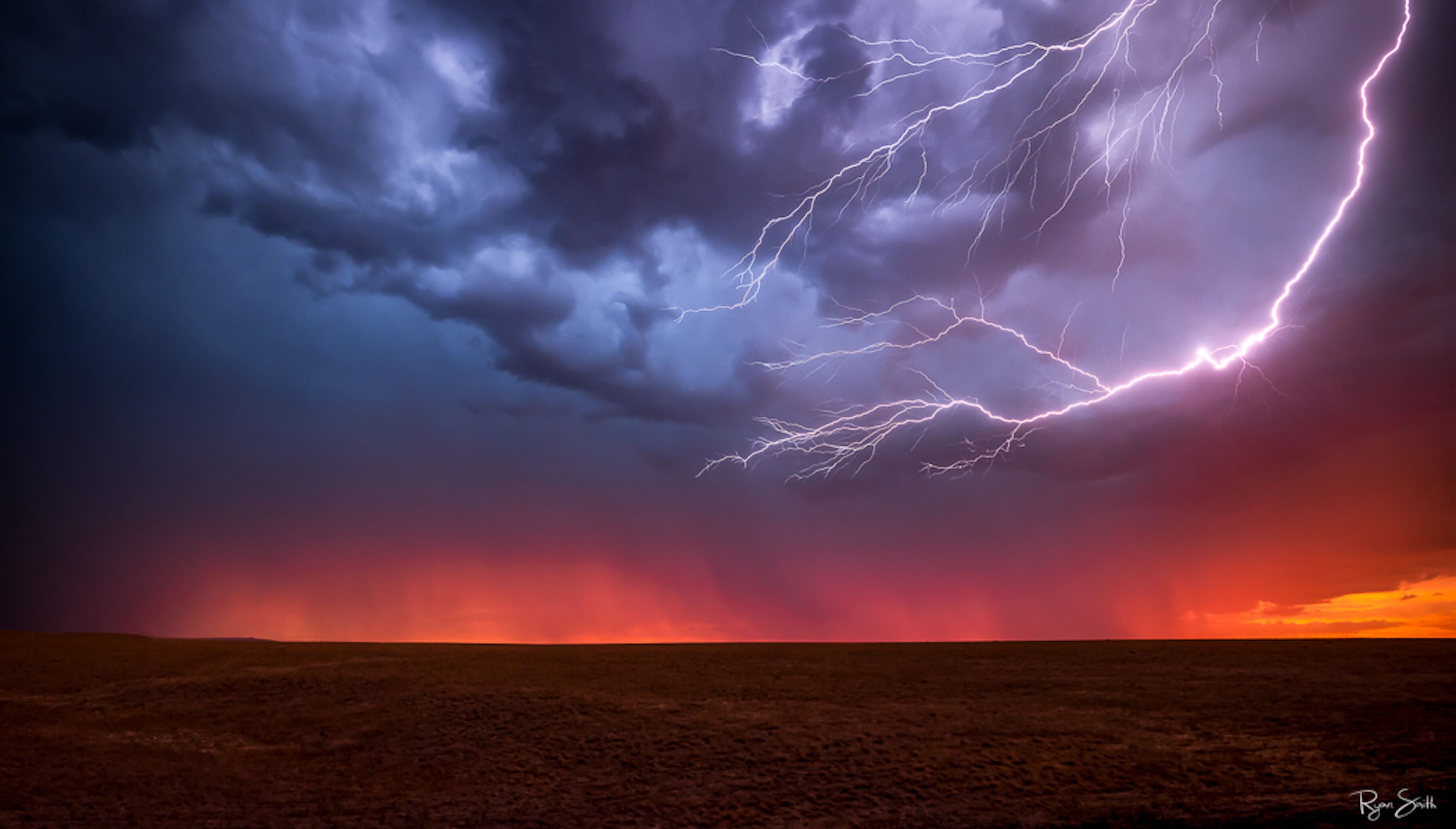
Captured at the height of a desert storm, “Awaken” embodies the moment when light and energy collide. A reminder that beauty often strikes in chaos — if you’re willing to stand in the rain.